The Condri Bible: How I scaled my app to $10k / month
What actually works. Built from growing Condri to $10k/month.
Jump to section
- Start With Signal, Not Ideas
- Copy First. Don't Try to Be Clever.
- Volume Is the Multiplier
- Views Don't Matter (After a Point)
- Build Your Own Distribution
- Prove It Yourself Before You Pay Anyone
- Stop Chasing UGC Creators
- Most People Structure Creator Deals Wrong
- This Is Where It Becomes a System
- This Isn't Really About TikTok.
Most people are playing the wrong game on TikTok. They think it's about being creative. Coming up with new ideas. Cracking the algorithm. It's not.
It's about finding what's already working, pushing it harder than anyone else, and building a system around it. That's it.
This document is the exact system I used to grow Condri, a health anxiety app, from $3,400 in month one to over $10,000 in month three, entirely through TikTok. Every section includes the real decisions, the real creators, the real mistakes, and the real numbers behind each step. No theory. No generics. Just what actually worked.
Start With Signal, Not Ideas
The biggest mistake is starting from scratch. 'What should we post?' is the wrong question. The real question is: what is already working right now in this niche?
How This Worked for Condri
Before I posted a single video, I spent the entire first week doing nothing but research. I went into TikTok, searched the health anxiety niche, filtered by most liked and most viewed in the last 30 days, and started building a picture of what was already resonating.
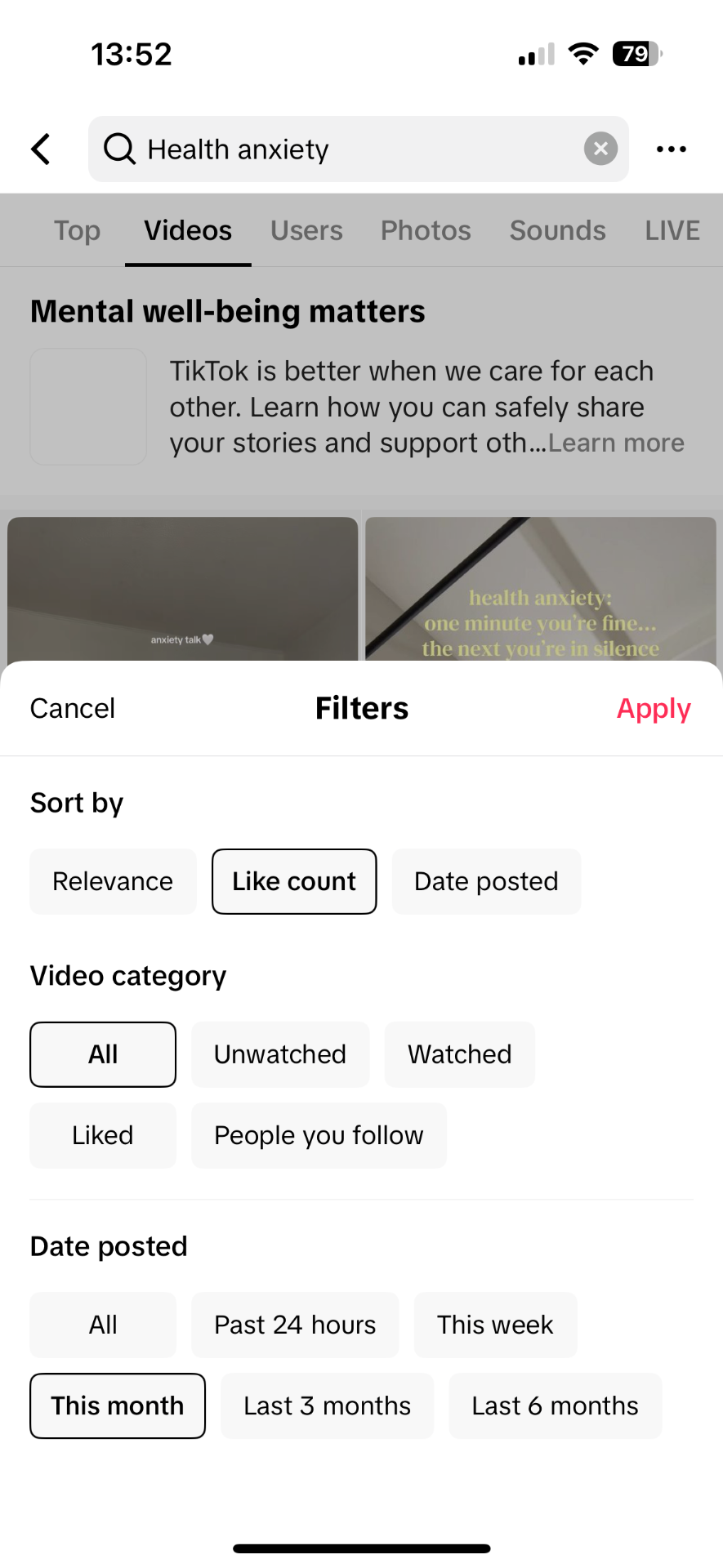
I wasn't looking at big accounts or semi-viral creators. I was looking at smaller, organic posts gaining early signal before anyone else noticed them. By the time a format is everywhere, the opportunity is already shrinking. The edge is spotting formats before they're crowded.
What I found were two formats that kept appearing across different small accounts, both pulling outsized engagement:
- "Reminder if you have health anxiety", direct, validating, stopping the scroll instantly.
- "Things I've diagnosed myself with since having health anxiety", pure relatability, driving massive comments and saves.
The metric I anchored to above everything else was save rate. Likes are passive. Comments are reactive. Saves mean someone found the content useful enough to come back to. In a health anxiety niche, that signals real intent.
The Spreadsheet That Became the Foundation
I built a Google Sheet and ranked the top posts from the last month by save rate. I catalogued the best-performing hooks alongside them. After analysing roughly 50 posts, I had a clear picture of what the niche responded to.
That spreadsheet didn't stay as a research document. It became the operating system for everything that followed, the content library, the creator briefs, the format decisions. The thing I built in week one before posting anything eventually shaped every video we made.
This was also technically my app launch period. I wasn't even trying to drive installs yet, just building an audience. But the content was already correlating to waitlist signups, which was the first signal that the system was working before the product even existed.
Copy First. Don't Try to Be Clever.
This is where founders sabotage themselves. They see something working and immediately think: how do we make this better? You don't. Not yet. You run it. Same structure. Same pacing. Same style. You're not copying, you're learning through execution.
How This Worked for Condri
Once I had signal from the research phase, I started posting. The symptom list format was the clearest winner, posts where creators listed their health anxiety symptoms hit a perfect viral combination. People would stop, read, and go into the comments to add their own symptoms. The relatability was the mechanic. Strong saves, strong comments, consistent engagement.
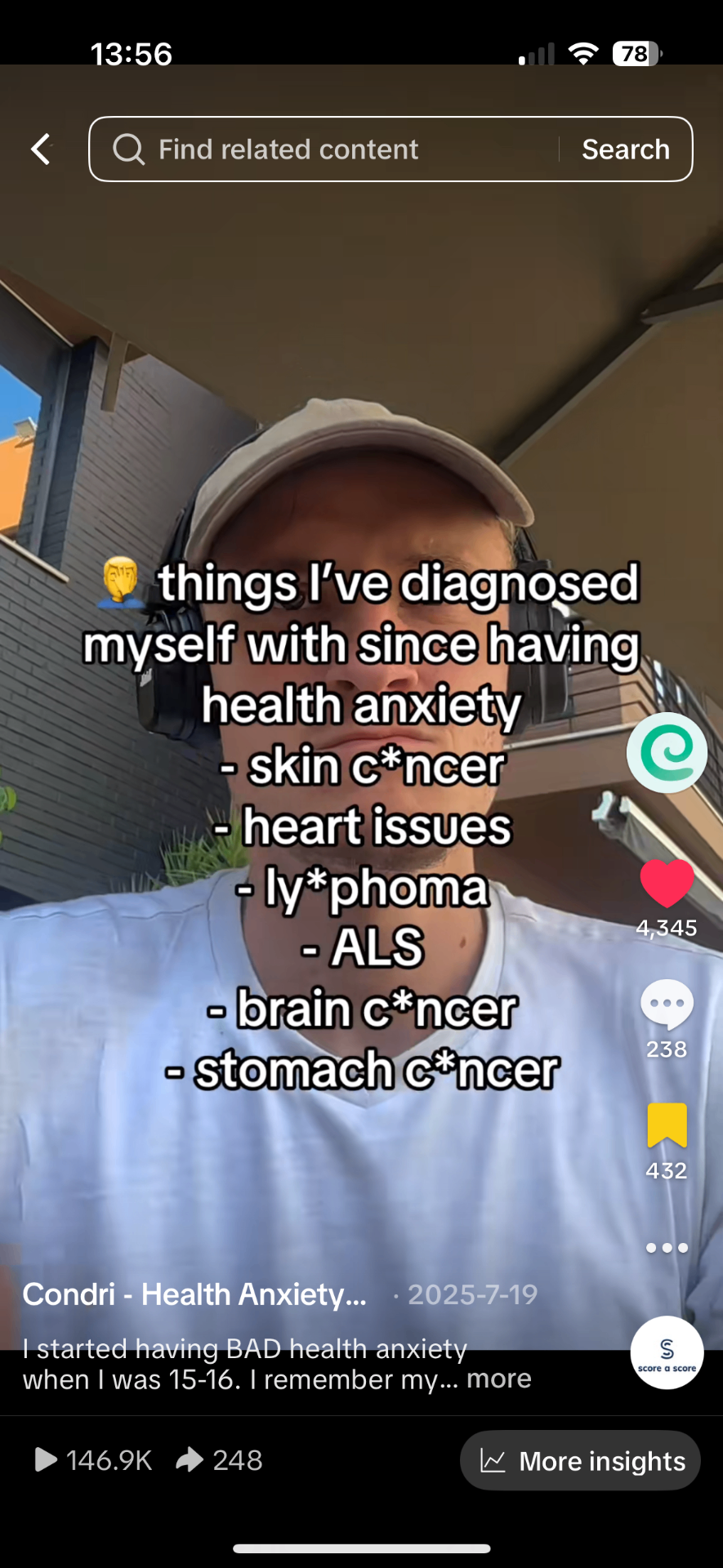
My approach was straightforward: replicate it. Same structure. Same pacing. I didn't try to improve it. I ran it several times in a row until the views started to drain.
The Mistake I Made
Where I went wrong was psychological. I found other formats that were clearly working, strong save rates, solid engagement, but I held back from tripling down on them. I was afraid of feeling repetitive. Like I was that person reposting the same thing over and over.
In hindsight, that was exactly the wrong instinct. The formats had more runway left than I gave them credit for. By moving on too early, I left performance on the table.
How to Know When a Format Is Actually Dead
The signal I used: once a format dropped below 20,000 views consistently, that was the kill threshold. Not a bad day. Not one underperforming post. Consistently under 20k meant the format had run its course. Having a concrete number removed the guesswork entirely.
Volume Is the Multiplier
This only works if you actually push volume. Not three posts a week. Not 'we'll test a few things.' Multiple posts per day, multiple variations per format, constant iteration. Every post is a test. And when something hits, don't move on.
How This Worked for Condri
At peak, I was putting out three to four posts per day across accounts. Each post was a variation or replication of a format with existing signal. The goal was to find the thing that broke through, then immediately understand why.
The biggest single moment came from a format I stumbled across: 'My self diagnosis vs actual diagnosis as a hypochondriac.' It hit 3 million views in roughly ten days.
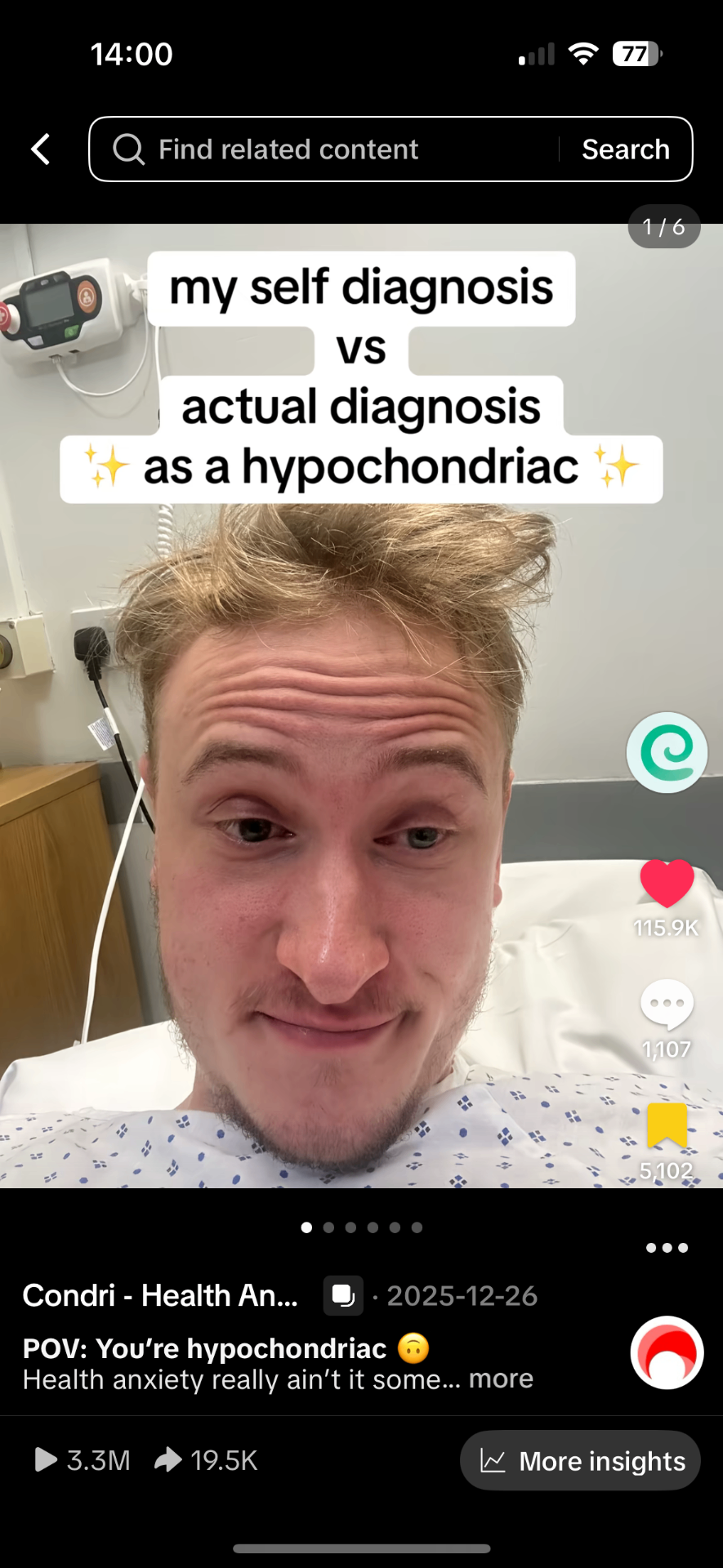
When something moves like that, the instinct is to celebrate and move on to the next idea. That's the wrong move. I took the exact same post, changed the pictures slightly and swapped the sound, and reposted it on my US account. Then posted it again on the same account a couple of weeks later.
The replication wasn't lazy content, it was the logical response to a signal. If the format worked once at that scale, the audience for it was larger than one post could reach.
Views Don't Matter (After a Point)
At some point you need to stop optimising for views and start asking: is this actually driving installs? A video with 500k views that drives installs is worth more than one with 2M that does nothing. Not all views are equal.
The 3 Million View Mistake
The 'self diagnosis vs actual diagnosis' post hit 3 million views. By every surface-level metric, it was the best thing we'd posted. So I doubled down hard on it.
It wasn't driving installs.
The views were real. The engagement was real. But the audience it attracted wasn't converting into people who would actually download and use the app. I had scaled the wrong thing.
What Was Actually Converting
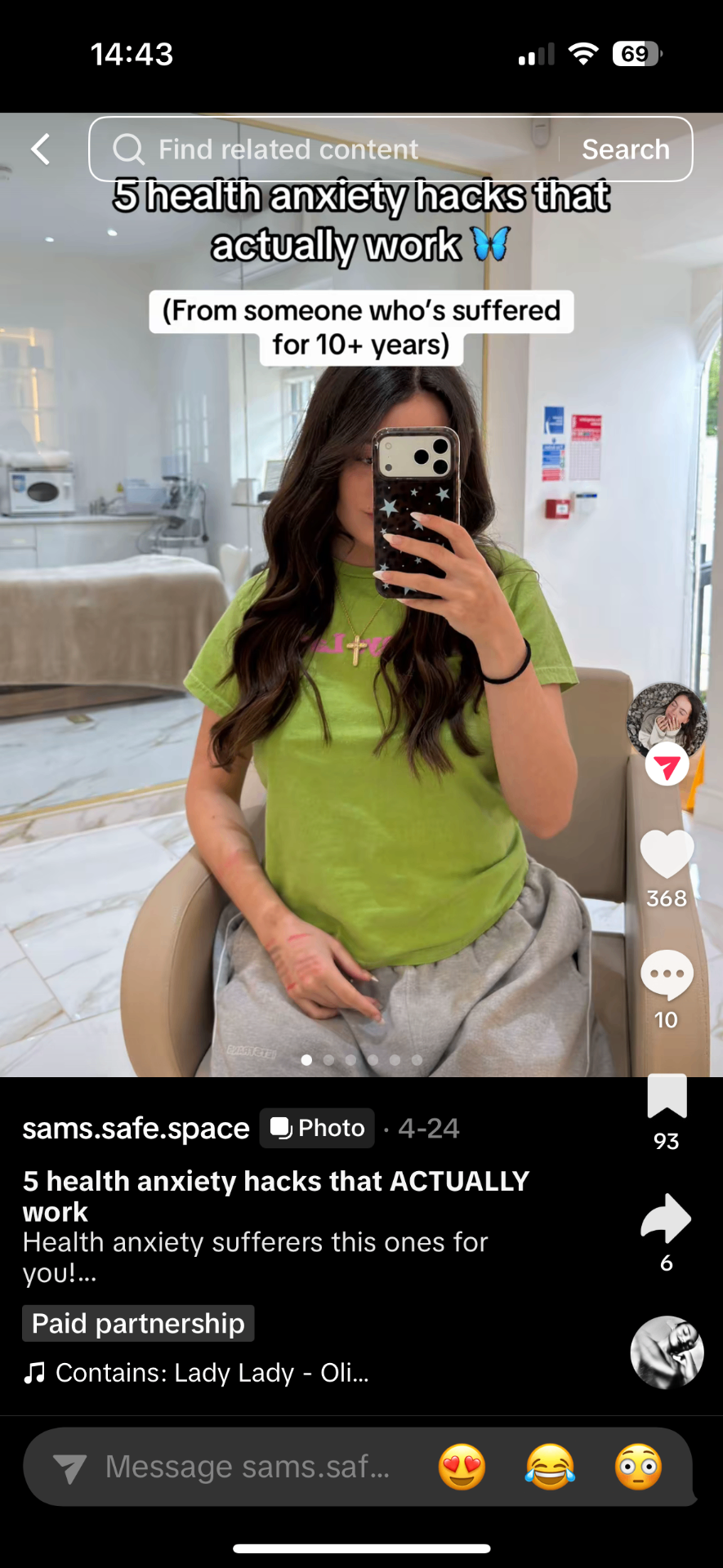
While the high-view posts were getting the attention, a different format was quietly doing the real work. I started posting native carousels, content like 'Four health anxiety hacks that actually help', where the Condri app was casually woven into the content rather than being the centrepiece.
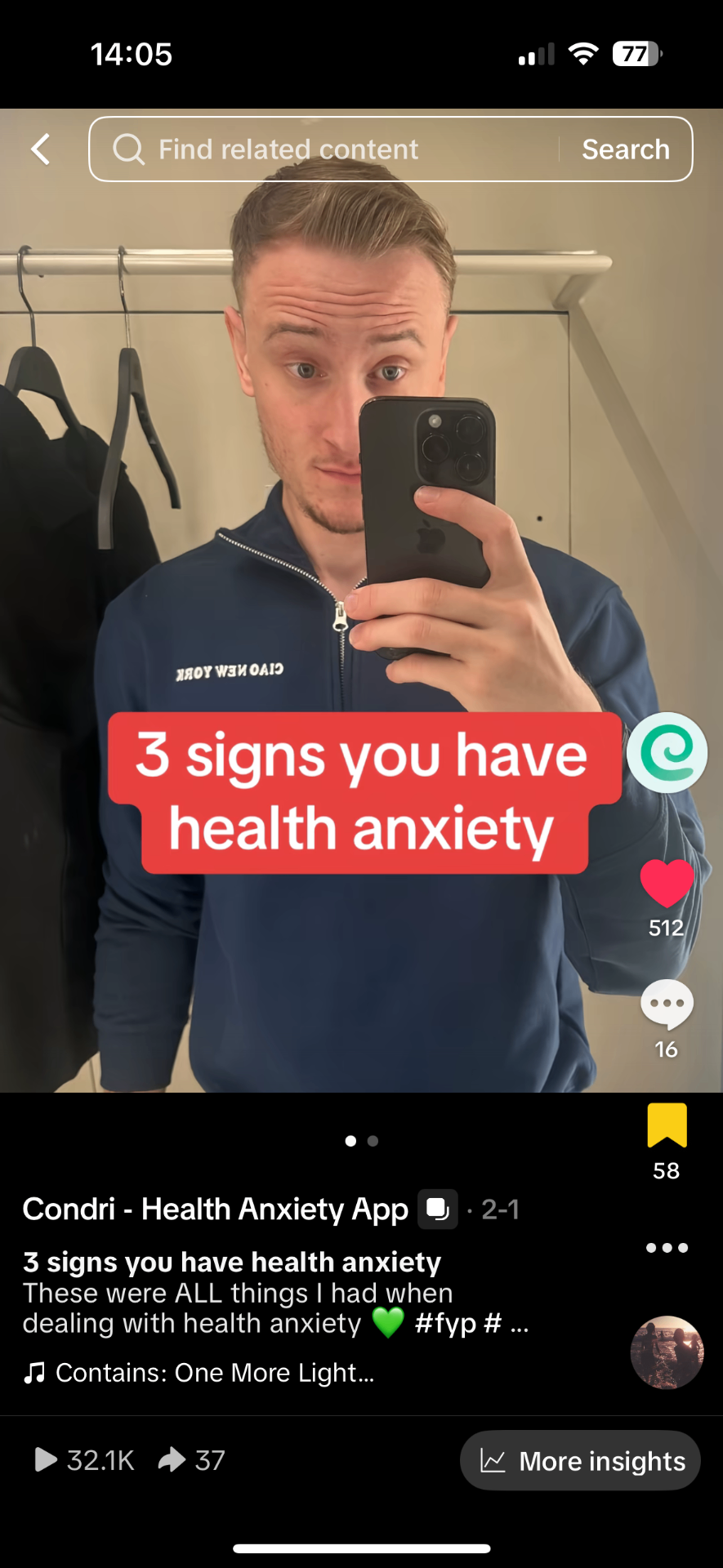
These posts were getting sub-50,000 views. Against the 3 million view post, they looked like failures. But they were the ones moving installs.
How to Catch the Correlation: viral.app
I was using viral.app to find correlations, not as a vanity dashboard, but as a pattern recognition tool. You connect all your owned accounts and creator accounts and it pulls view data for every tracked video. You can define parameters, for example, any post tagging your app automatically gets tracked, so you get a complete picture across your entire distribution network.
One thing most people miss: TikTok has a much longer content half-life than most platforms. A post from four weeks ago can get picked up and drive 20,000 views in a single day. viral.app surfaces that. Without it, you'd never know which old content was still pulling.
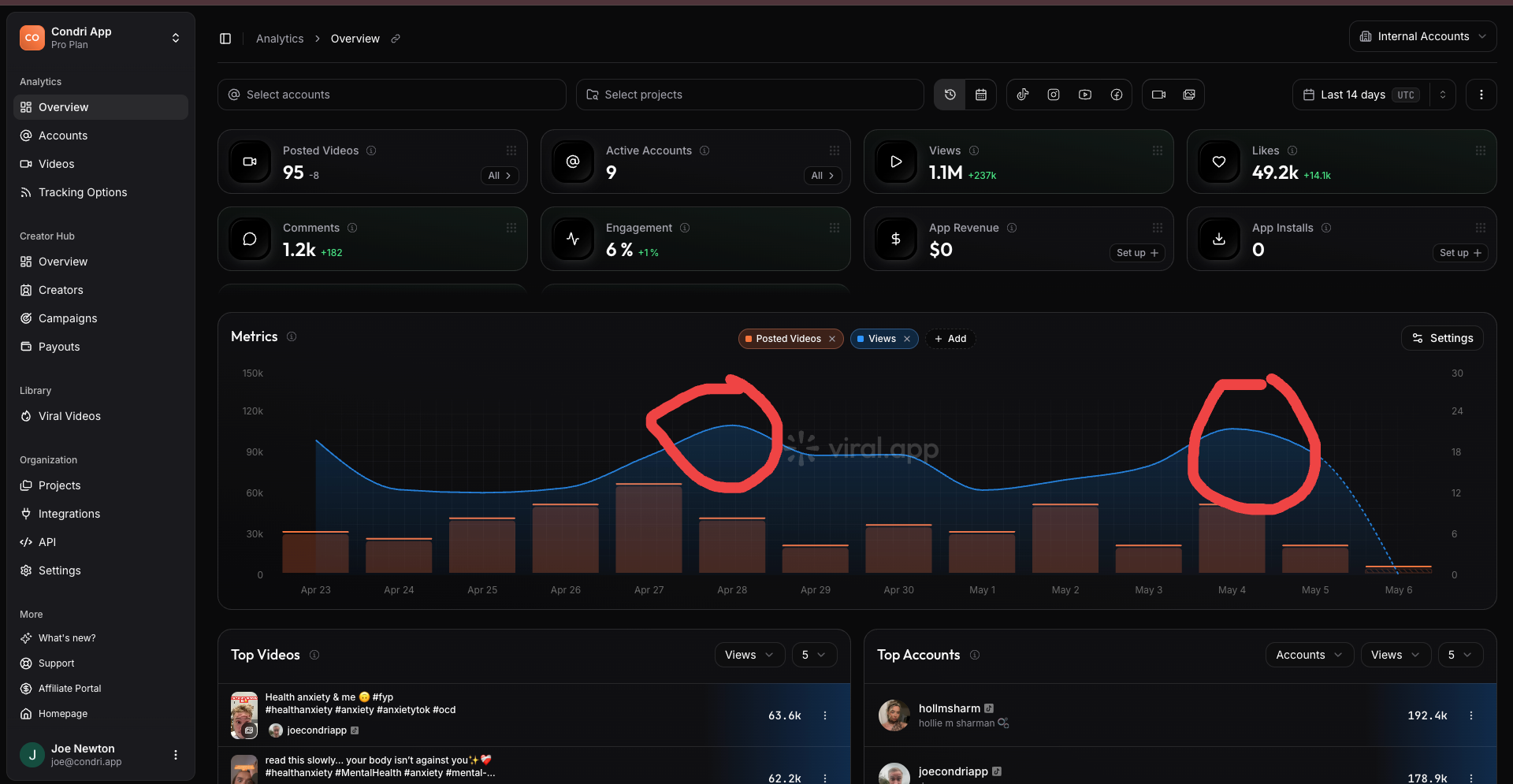
The question I was always asking: which days are views spiking, which days are installs spiking, and what content caused both to move together? I cross-referenced the viral.app view data manually against RevenueCat install and revenue data. No complex attribution setup, just two dashboards, side by side, looking for the pattern.
The carousels kept showing up in that correlation. The big view posts didn't. That was the data that forced the pivot away from chasing reach and toward the content that was actually bringing in users who converted.
Build Your Own Distribution
Don't rely on one account. TikTok is unpredictable, accounts can drop in reach, get throttled, or just stop performing. If everything sits on one account, you're exposed. You're not building an account. You're building infrastructure.
The EU Traffic Problem
My main Condri account was based in the EU. When I dug into the traffic breakdown, 50 to 70% of my reach was hitting EU and non-English speaking countries. It was taking a long time to reach UK and US audiences, and the conversion rates from EU traffic were nowhere near what US traffic delivered. I was building an audience, but not the right one.
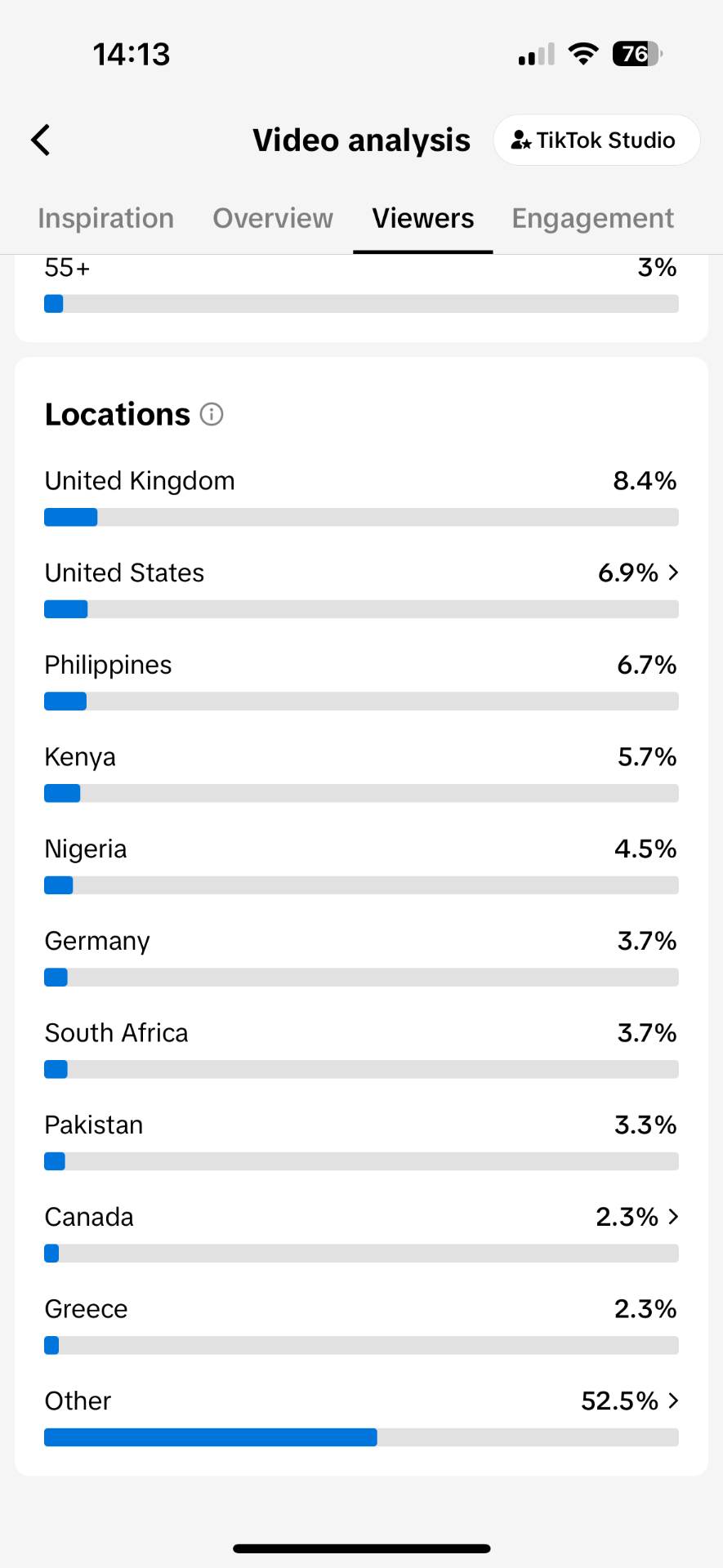
The Fix: US-Anchored Accounts
I created two new US-anchored accounts. Once those were active, the traffic profile shifted dramatically, 80 to 90% US reach, and US installs started growing alongside it. This is also when the monthly revenue started to compound properly.
How to Set Up and Warm Up a US Account
The setup matters as much as the strategy. A rushed or incorrectly anchored account will underperform regardless of what you post on it.
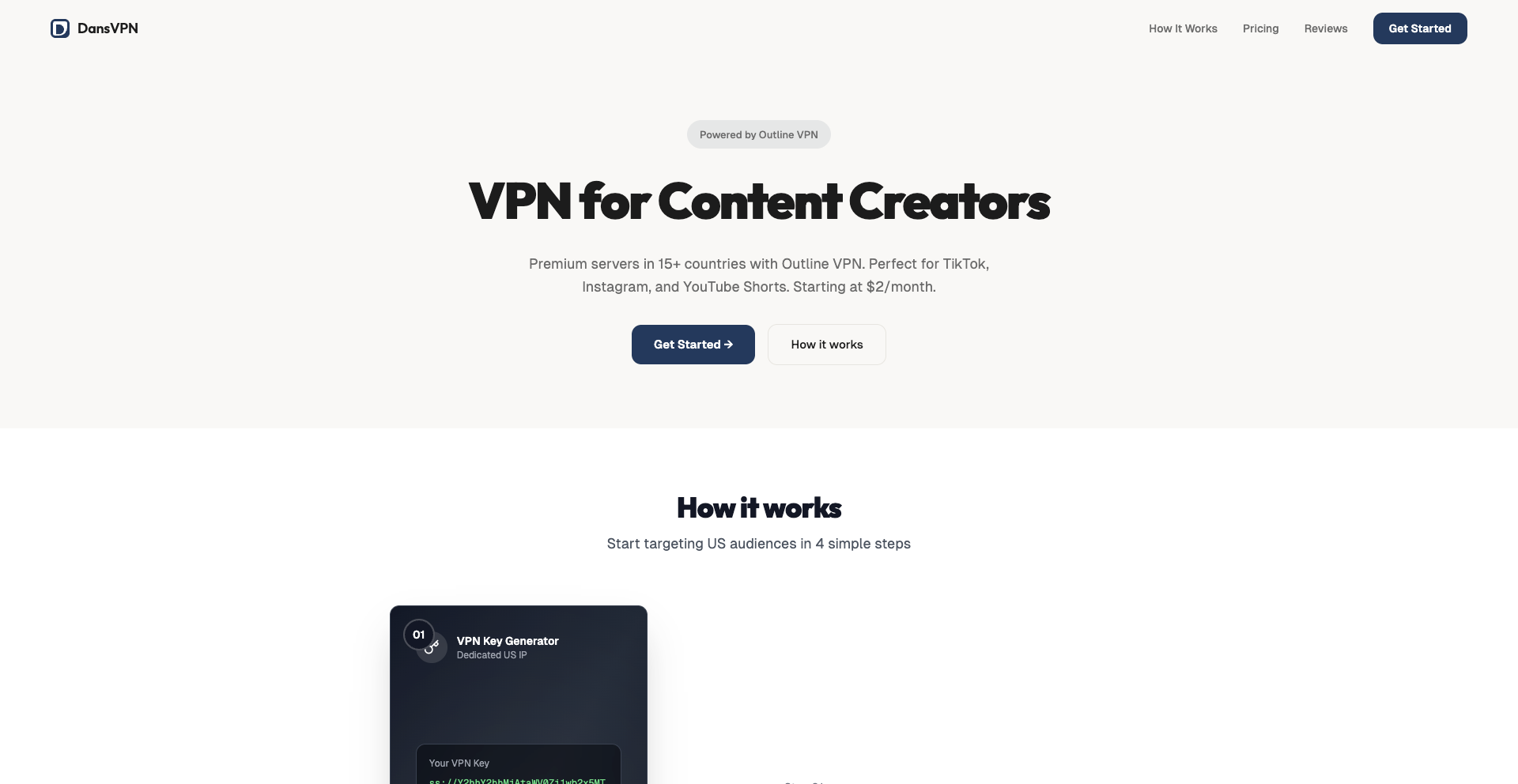
Step 1 is location anchoring. Use Dan's UGC service, which provides a private VPN server specifically for this purpose. Public VPNs like ExpressVPN don't work, TikTok detects them and the account will either underperform or get flagged. A dedicated private server is the only reliable approach.
Step 2 is the warmup. Once the account is created, do not post. Do not engage. For the first few days, just be a passive watcher, open the app, scroll for 30 minutes a day, let TikTok start building a picture of who you are. From around day three to five, start conditioning the feed. Go to the search bar, search your niche, surface relevant content, like it and engage with it. You're running the same conditioning process on the new account that you run on your main one, training the algorithm to treat this account as deeply embedded in your niche from the start.
By day seven to ten, you're engaging consistently. On day fourteen, you post for the first time, not a test video, but one of your proven formats with strong signal. The account has spent two weeks being conditioned. Give it something worth pushing.
Where This Sits in the Condri Timeline
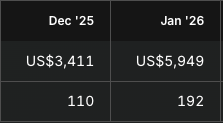
The US accounts were set up and warming up during month one. By month two they were fully conditioned and posting, and the traffic profile had shifted to 80 to 90% US reach. That shift, combined with proven formats, is what drove the jump from $3,400 to $5,900 in month two. Higher intent traffic from the right geography meant better conversion rates from the same volume of content.
Prove It Yourself Before You Pay Anyone
This is the step most people skip entirely. They read about creators, they see the UGC playbook, and they go straight to hiring. That's how you light money on fire.
Before you bring in a single external creator, you need to have run the system yourself. Two to four owned accounts. At least five formats that are proven, and proven doesn't mean went viral once. It means repeatable. Formats you can run again and get consistent signal from.
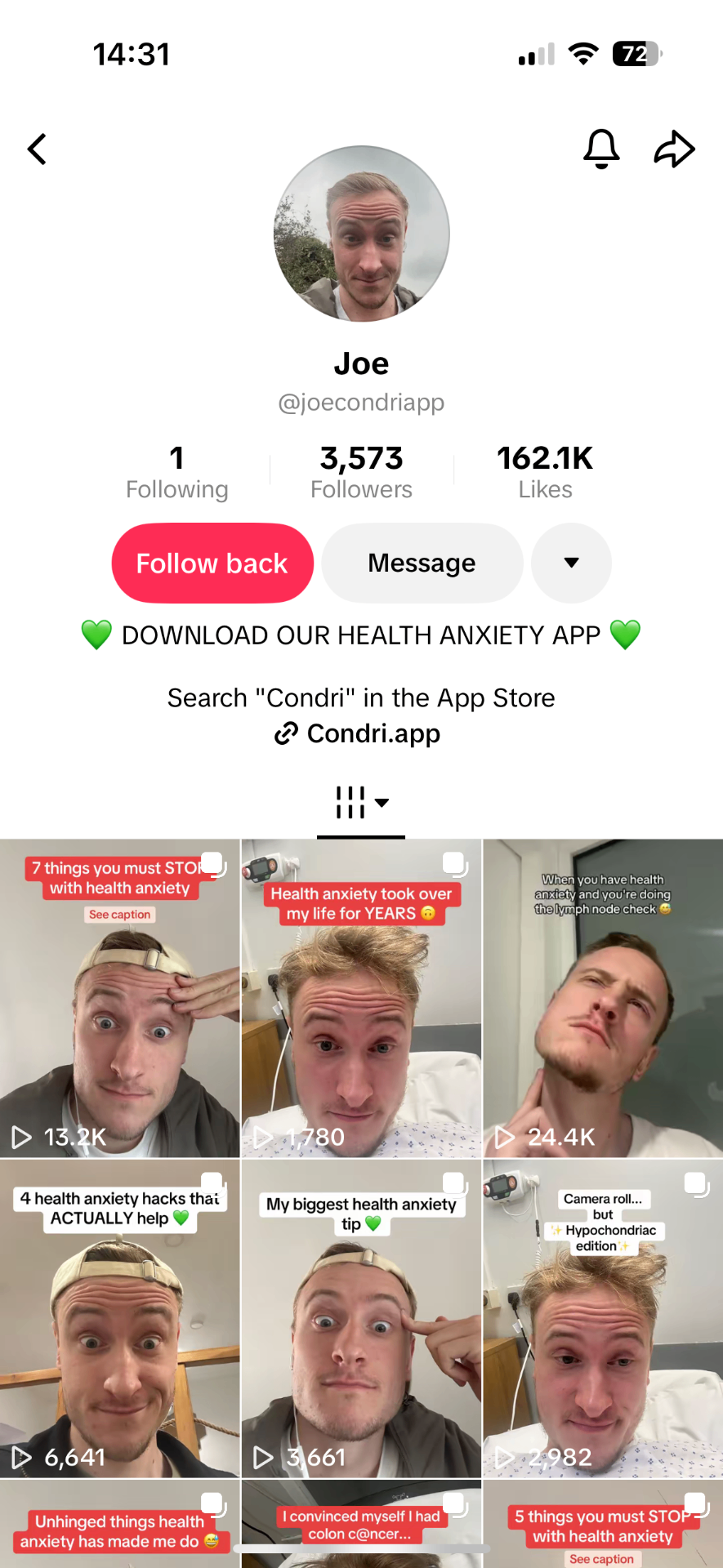
Only once you have that foundation does it make sense to bring creators in. Because until you do, you don't know what to brief them on, you can't tell whether what they're posting is working, and you have no way to course-correct before budget gets burned.
How Long This Actually Takes
For Condri, this phase took one to two months. That's how long it took to post enough, track enough, and iterate enough to arrive at five formats I trusted as genuinely repeatable. Not guesses. Not one-off hits. Formats with consistent signal across multiple posts.
That timeline felt slow at the time. In hindsight, it was the most important investment I made in the whole system. Every creator relationship that came after was built on a foundation that actually existed.
Run the Feedback Loop Yourself First
The feedback loop, tracking view spikes against install spikes in viral.app, identifying what caused both, iterating on it, needs to become muscle memory before you hand it off to creators. If you haven't built that discipline yourself, you won't know how to run it with a creator network either.
Running it on your own accounts first does two things. It gives you a real pulse on what's working before any budget is at risk. And it means that when you do bring creators in, you know exactly how to brief them, what good looks like, and when to pivot before money gets wasted.
The Early Hire Mistake
I hired one creator before I'd done this work properly. She was good, a strong fit for the niche, good on camera, real audience alignment. But I was directionless about how to manage her. I didn't have proven formats to hand her. I didn't have a clear picture of what was converting. I was running the typical brand approach: give her a brief, hope for the best, look at the view count.
She ended up staying on as more of an app ambassador and influencer-style presence, which worked fine in the end. But the timing was wrong. The value I eventually got from the creator relationships that came later, Felicia, Hollie, only happened because by then I'd done the internal work. I knew what to ask for. I knew what signal to look for. I knew when something wasn't clicking.
The lesson isn't that you shouldn't hire creators. It's that you shouldn't hire them until you've earned the right to know how to use them.
Stop Chasing UGC Creators
The default advice is to hire UGC creators from platforms. It works, but it's not where the edge is. Platform creators are transactional, increasingly expensive, and they don't care about your niche. They're producing content for whoever pays. Once someone has been absorbed into the UGC industrial complex, they're constantly chasing new deals, negotiating harder, and becoming less sticky.
The better move is native creators: people already posting in your niche, small accounts, not heavily monetised, already interested in the topic. Their content doesn't feel like ads because it isn't.
How I Actually Found Them
My sourcing approach was completely different from what most brands do. I spent one to two hours a day deliberately conditioning my main TikTok feed to surface every piece of health anxiety content, liking, commenting, engaging, training the algorithm to treat me as the most interested person in the niche.
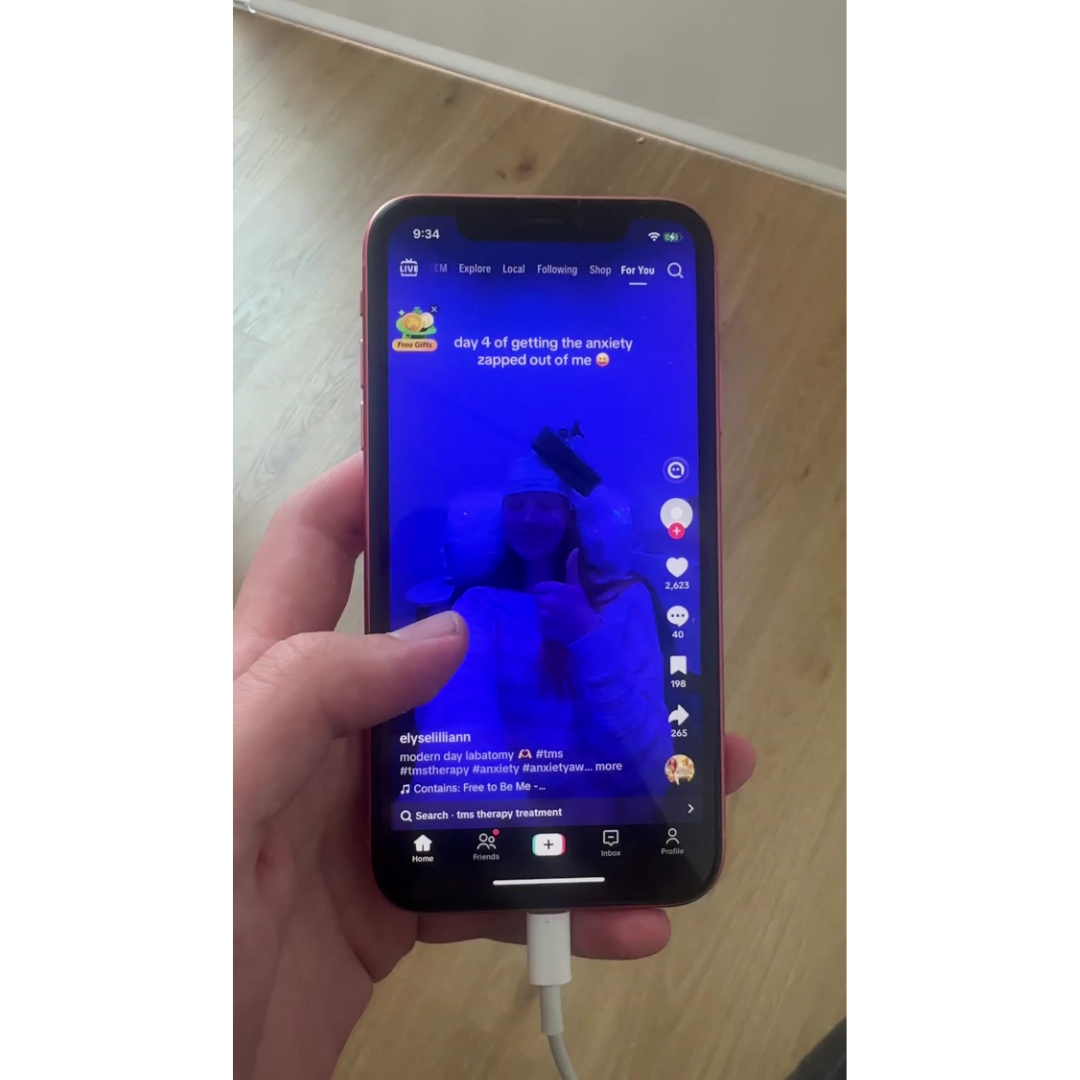
The result was that my feed became a real-time radar. Viral content in the niche surfaced to me before it spread. New creators with early momentum appeared before anyone else found them. On top of the passive feed conditioning, I was spending 30 to 60 minutes a day actively searching 'health anxiety' in the search bar, filtering by the last day and highest like count, systematically scanning for new faces. Most of the best finds came from the feed rather than the search, the search was systematic, but the feed was where the gold was.
Felicia
Felicia had around 2,000 followers when I found her. She was posting specifically about her journey of recovering from health anxiety, and one video had just blown up, her talking in her car about how she recovered from panic attacks. Raw, personal, completely unpolished in the best way.
Her content was a mix of UGC-style text-on-screen posts and direct-to-camera delivery that had real presence. Not produced. Not trying to be an influencer. Just someone genuinely living in the niche.
The deal: $0.50 per thousand views for health anxiety content with Condri in the caption or comments, and $1 per thousand views for posts with direct Condri integration. Small retainer to keep her consistent.
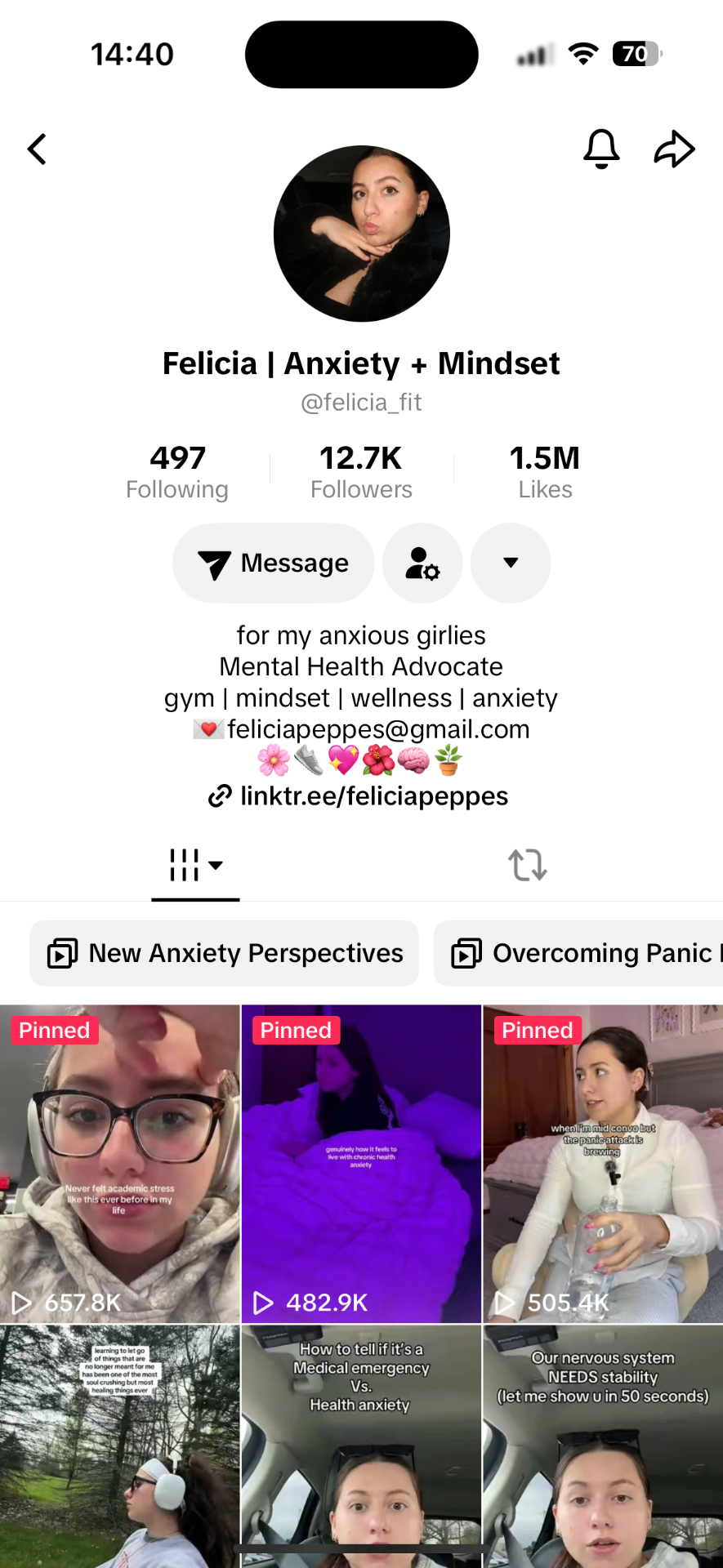
Felicia became one of our biggest US traffic drivers, contributing around 50 installs a day at her peak. From a 2,000 follower creator, found through systematic feed conditioning, at sub-$1 CPM rates.
Hollie Sharman
Hollie was already at 8,000 to 9,000 followers when I found her, larger than Felicia, but with something equally valuable: no brand deals yet. No agency had found her. She hadn't been inducted into the UGC world. She was just someone running a health anxiety page because she genuinely cared about it.
That's a window. Once a creator starts getting approached by multiple brands, the dynamic shifts. They get more selective, more expensive, and less aligned. Finding Hollie before that happened was the opportunity.
Her structure: a small monthly retainer of $200 plus $1 per thousand views on performance. She became our biggest UK install driver and consistently showed up in the viral.app correlation data between content and install spikes.
Most People Structure Creator Deals Wrong
You don't want high retainers or pure performance deals. Both break in different ways. High retainers kill your margins before you have signal. Pure performance removes the consistency you need to build momentum.
The model that worked: small retainer for consistency, performance upside tied to views, and a split between indirect and direct content with different rates for each.
Track 1: Indirect Content
Health anxiety content where Condri sits in the caption or comments. The post is about the niche, not the app. This builds demand, cultural relevance, and context, it makes Condri feel like a natural part of the conversation rather than an ad.
Rate: $0.50 to $1 per thousand views.
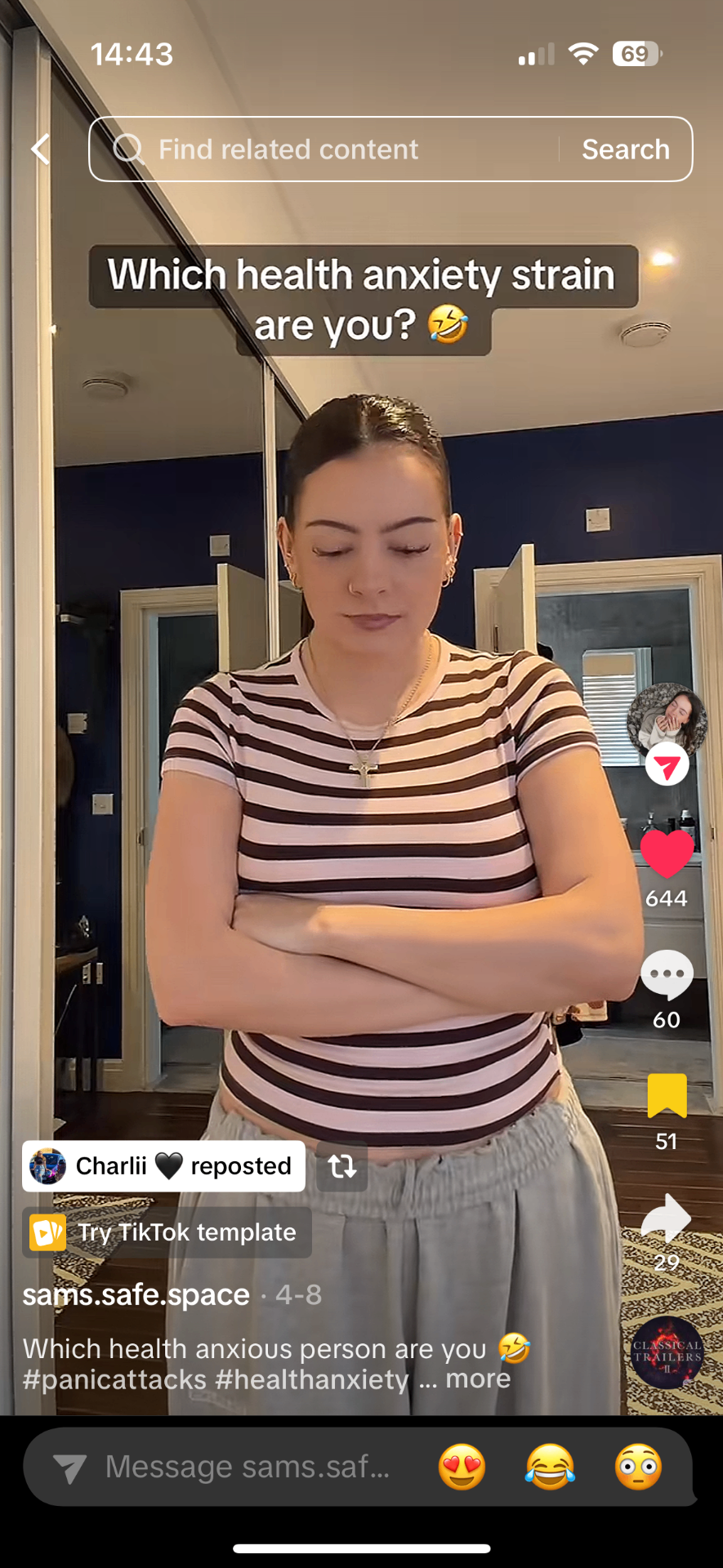
Track 2: Direct Content
Clear product mention, direct integration, stronger CTA. This is what drives installs.
Rate: $1 per thousand views and above depending on the creator.
The Ecosystem Player Mistake
Some creators aren't direct response drivers. They're ecosystem players, valuable because of their audience and their presence in the niche. The mistake I made was pushing some of these creators into direct integrated posts that were working well for other creators.
It didn't click. The content felt forced. The installs didn't follow. What actually worked for them was staying in their lane, posting health anxiety content and letting us participate in the conversation in their comment section. Forcing them into the wrong format broke what made them valuable.
This Is Where It Becomes a System
Up to now you've built the pieces. This is where it actually compounds. The creators, the formats, the deal structures, they only produce compounding results when there's a loop connecting them. Signal in, insights out, back to creators, repeat.
The Feedback Loop
Everything was anchored in viral.app, not as a dashboard, but as a correlation engine. The question I was always asking: which videos caused view spikes, and did those view spikes correlate to install spikes within a 48-hour window? When that correlation appeared, I acted on it immediately.
Within 48 hours of identifying a correlation, I'd send a report to the relevant creators. Not just 'this did well.' Specifically: this post worked for this reason, here's the hook, here's the format, here's why we think it converted, now replicate it in a way that fits your style.
That 48-hour cycle became the rhythm of the whole system. Find the signal, understand it, redistribute it, watch the next round of content. Over time, the output improved because every cycle was informed by the last one.
The Content Library
When onboarding new creators, the worst thing you can do is hand them a vague brief and hope for the best. What I built instead was a Notion doc, a library of every winning format we'd proven, organised by category with multiple examples inside each one.
Each entry included the video itself, notes on why the format worked, why the specific app integration worked, the conversion thinking behind it, and several CTA examples they could use or adapt. The goal was that a new creator could open this doc and understand not just what to make, but why it was designed the way it was. A creator who understands the logic behind a format will iterate it better than one who's just copying a template.
Briefing by Creator Strength
The content library was only useful if matched to the right creator. What each creator actually received was a tailored version of the master library, filtered down to the formats that matched their natural style and delivery.
A creator with a gift for warm personal storytelling shouldn't be handed a data-heavy carousel brief. A creator who does dry informational content well shouldn't be pushed into emotional reaction videos. The brief wasn't 'here are the formats.' It was: here are the formats that fit how you naturally communicate.
That matching step is where most brands quietly lose performance. They find a format that works and blast it across everyone without thinking about fit. The format dies not because it stopped working, but because it was handed to the wrong person.
When to Add Paid: Spark Ads
Once the organic system is running and the feedback loop is producing consistent correlation signals, paid amplification becomes straightforward. The trigger is simple: when viral.app shows a strong correlation between a specific video's view spike and a meaningful install spike, that video is a candidate for a Spark Ad.
Spark Ads let you boost existing organic posts, from your own accounts or creator accounts, as paid ads, while keeping all the social proof intact. The content looks and feels native because it is native. Organic has already done the work of proving it converts. Paid just amplifies reach to more of the same audience.
Don't use paid to find what works. Use organic to find what works, then use paid to scale it.
The Single Biggest Lever
Looking back at the whole system, the feed conditioning, the US account setup, the two-track creator deals, the Notion library, the thing that moved the needle most was the feedback loop itself. Connecting view spikes to install spikes. Identifying which content caused both. Feeding that back to creators with enough context to act on it. Repeating that cycle week to week.
Everything else was setup. The feedback loop was the engine.
What This Looked Like at Month 3
By month three, Felicia was driving around 50 US installs a day. Hollie was the biggest UK install driver. The feedback loop was running on creator content and owned content simultaneously, improving output on both sides. The combination of proven formats on owned accounts and creators amplifying the same formats across their audiences created the step change from $5,900 to over $10,000.
Month one was proving the system worked. Month two was optimising it. Month three was scaling it. The sequence matters, you can't skip to month three.
This Isn't Really About TikTok.
It's about building a system where signal is identified early, learning is fast, winners are pushed aggressively, and distribution is controlled.
Most people stay stuck asking: what should we post?
The people who win are asking: what's already working, and how do we scale it faster than anyone else?
Condri went from $3,400 in month one to over $10,000 in month three using exactly this system. Not by posting more. Not by hiring more creators. By building the foundation properly before scaling anything.
The system works. The only question is whether you'll build it in the right order.
Want this system built into your app?
I have two more client spots for Q2.
Book a strategy call